
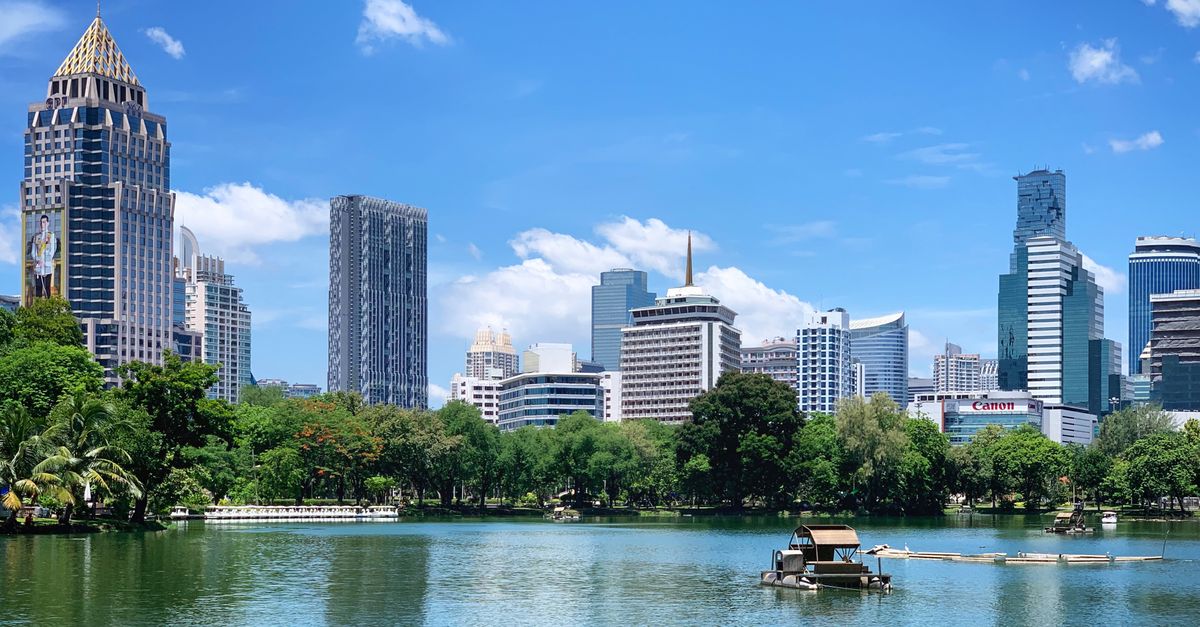
Thailand
Bangkok is one of the clearest examples of why travel cost ranges matter: budget travel can be extremely affordable, while rooftop dining and premium hotels push totals up fast. The city supports every travel style well.
Holiday cost planning
Compare realistic daily costs and trip ranges across curated destinations before you book.
Compare destinations
Start with a quick look, then open the fuller comparison when you want more detail.
Opens a seven-day mid-range holiday comparison.
Browse destinations
Start with the mid-range daily range, then open a place when you want the fuller breakdown.
Bangkok is one of the clearest examples of why travel cost ranges matter: budget travel can be extremely affordable, while rooftop dining and premium hotels push totals up fast. The city supports every travel style well.

Rabat suits travellers who want a calmer Moroccan city break with sea air, easier pacing, and a strong mix of heritage and gardens. It is usually less intense than Marrakech, with transport staying fairly manageable and much of the payoff concentrated in walkable historic areas.

Nairobi is strongest when travellers treat it as a city break with unusual wildlife access, leafy museum stops, and a few focused neighbourhood outings rather than a pure urban sightseeing sprint. Traffic and transport choices matter, but the mix of city and safari-style experiences makes it easy to build memorable short stays.

Ubud is one of the clearest Bali bases for range-based budgeting because accommodation quality, private-driver usage, and wellness add-ons can move totals quickly. The food and attraction floor stays approachable for careful travellers.

Marrakech works well for travellers who want a warm, sensory city break built around riads, gardens, rooftop pauses, and medina wandering. Accommodation style and how many guided or premium cultural stops you add will change the daily total more than local transport.

Durban is a warm-weather city break where beachfront time, food, and a few well-chosen attractions usually matter more than constant paid sightseeing. It is often easier on the wallet than Cape Town, but transport assumptions still matter because the city spreads out more than it first looks.

Phuket works best when accommodation, beach access, and transfer assumptions are explicit. Budget stays exist, but island transport, day trips, and resort positioning can widen spend faster than in Bangkok.

Fukuoka is one of Japan’s easier city breaks to budget for because the centre is compact, food value is strong, and many worthwhile stops are low-friction rather than high-ticket. Hotel choice and seasonal demand still matter, but the baseline is gentler than Tokyo or Kyoto.

Seminyak is a more polished Bali base where accommodation quality, beach clubs, and frequent short transfers can move the daily range noticeably. It still supports budget travel if dining and nightlife expectations stay grounded.

Zanzibar City is best for travellers who want a beach-adjacent island break with enough history and food atmosphere to balance out resort time. Stone Town is compact and rewarding on foot, while boat trips and guided add-ons are what widen the budget.

Osaka is often easier on the budget than Tokyo while still giving travellers dense food districts, efficient rail connections, and enough paid sights to build different styles of city break. The main swings still come from hotel location and nightlife pacing.

Rio de Janeiro can feel surprisingly flexible on the ground because some of the city’s biggest holiday moments are beaches, viewpoints, and neighbourhood walks rather than constant ticketed entries. The range widens fast once you add beachfront hotels, ride-hailing, and headline paid sights, so realistic budgeting matters.

Kyoto rewards travellers who slow the pace down and balance headline temples with quieter neighbourhood walks. Costs stay manageable when you rely on buses, simple inns, and free shrine precincts, but seasonal peaks and well-located stays can lift the range quickly.

Dubai can be expensive if travellers default to taxis, malls, and high-end dining, but range-based planning keeps it usable for mid-range and even careful budget travel. Heat and distance are the main cost multipliers.

Tokyo blends dense city energy, immaculate public transport, and an enormous spread of food and cultural experiences. Costs vary sharply by neighbourhood and season, so range-based budgeting is more credible than single figures.

Brisbane is usually easier on the budget than Sydney while still giving travellers a strong warm-weather city break with riverfront walks, parks, and good food neighbourhoods. Hotel prices and day-trip ambitions matter more than local transport.

Singapore is compact, efficient, and predictable, which makes it strong for accurate range-based budgeting. Accommodation drives most cost swings, while food and transport can stay relatively controlled.
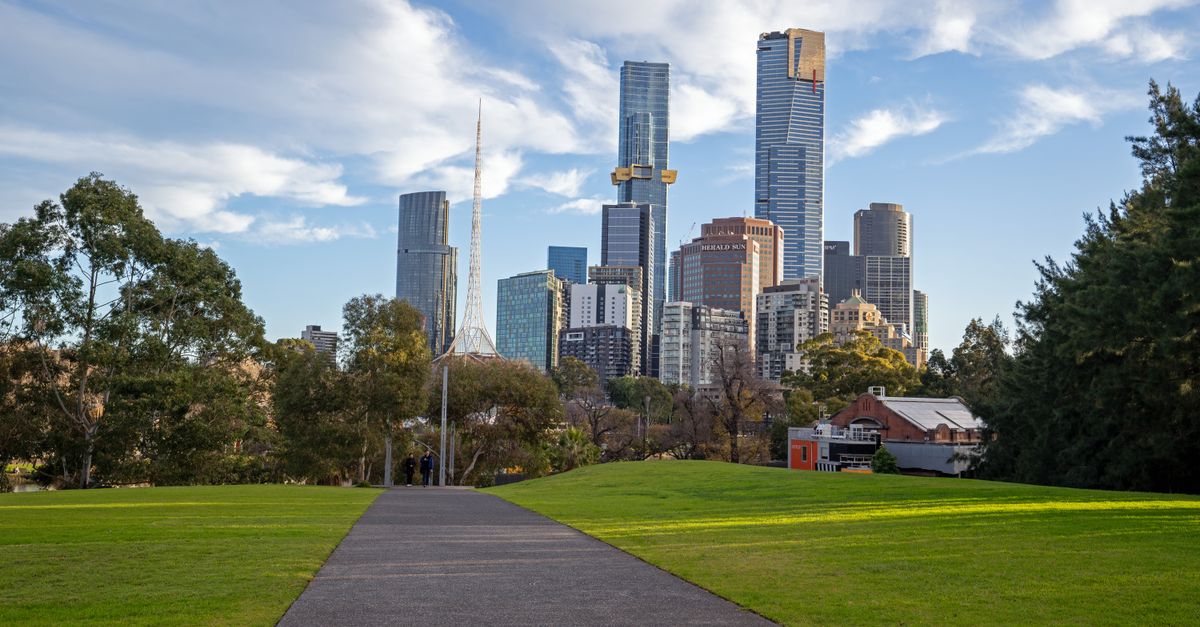
Melbourne is often more manageable than Sydney on accommodation, while still rewarding travellers with strong food, neighbourhood, and cultural value. Costs rise through event weekends, premium dining, and day-trip plans rather than day-to-day transit.

Cape Town offers strong scenery-to-cost value, but transport assumptions matter because self-driving, ride-hailing, and guided day trips can change the budget quickly. The city works especially well for mid-range travel.
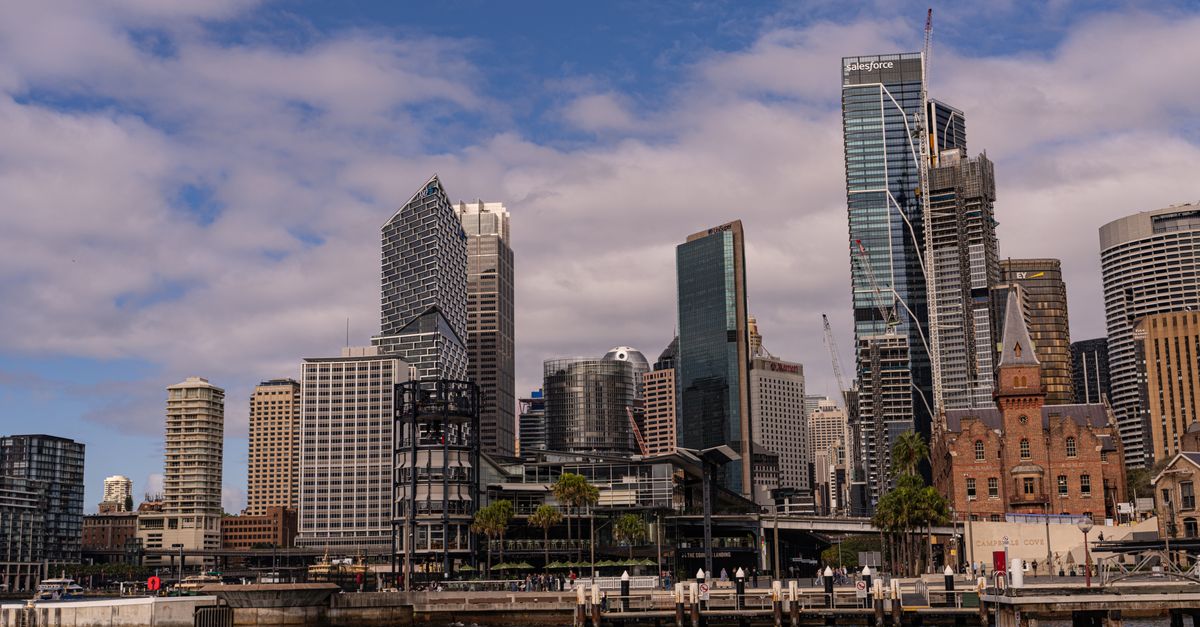
Sydney tends to reward travellers who balance higher accommodation costs with free harbour, beach, and neighbourhood time. Transport is predictable; lodging and premium dining drive most variation.

Valencia often lands in a very usable middle ground: cheaper than Madrid or Barcelona on average, but still strong for architecture, beach time, and long low-cost park routes. Accommodation seasonality and higher-end dining are the main spread drivers.

Seville is strong for a warmer, slower city break because much of the appeal comes from strolling, squares, tiled architecture, and evening atmosphere rather than constant ticketing. Heat, seasonality, and central hotel demand still create noticeable budget swings.

Barcelona combines walkable neighbourhoods, beach access, strong lunch value, and a mixture of free architecture views with timed-entry attractions. Accommodation seasonality is the main price swing.

Madrid is one of Europe’s more forgiving capitals for mid-range travellers because museum quality is high, public spaces are generous, and food value can stay credible away from the busiest central strips. Accommodation and late-night dining still widen the range.

Florence works best when travellers treat it as a walkable art-and-architecture city rather than a checklist sprint. Much of the payoff is concentrated in a compact centre, but museum demand and centrally located hotels can push costs up quickly.

Rome is strong for value when travellers build around walking-heavy days, slower piazza time, and a limited number of major ticketed sights. The budget gets more volatile when central hotels and skip-the-line entries stack up together.

Amsterdam works well for short city breaks because much of the appeal comes from canal-side wandering, neighbourhood cafes, and museums that can be mixed across different budget levels. Accommodation is the main swing factor, especially on weekends.

Paris rewards slow neighbourhood exploration, museum planning, and careful accommodation choices. Lodging drives most variance, while transport can remain stable thanks to the metro network.

Edinburgh works well for a compact city break because much of the appeal comes from walking, viewpoints, and atmosphere rather than constant paid sightseeing. Prices climb during festival periods, so accommodation ranges need to stay broad.

London can work for multiple budgets because many major museums are free, but accommodation and dining escalate quickly. Clear assumptions are essential because zone choice changes the daily picture significantly.

Miami is one of those destinations where the holiday mood can keep spending low or send it sharply upward depending on where you stay and how hard you lean into nightlife. Beaches and neighbourhood wandering add plenty of value, but transport and dining choices create the biggest swings.

New York offers strong public transport, many free city experiences, and high accommodation variability. The ranges need to stay honest because dining and hotel choices widen the spread substantially.

Venice is one of the clearest places to use ranges because accommodation location and season can change the day total sharply. Once you are there, though, much of the appeal comes from walking, views, and atmosphere rather than stacking constant paid entries.

Los Angeles can look manageable on paper until car use, parking, and longer cross-city journeys start stacking up. Range-based planning matters here because neighbourhood choice changes both the hotel price and the transport budget.

San Francisco can be expensive on hotels, but it still works well for clear range-based planning because many high-payoff experiences are outdoors, walkable, or transit-friendly. Accommodation and restaurant ambition are the main variables that widen the spread.
Compare destinations
Start with a quick pair and open the full comparison when you want more detail.
Open comparisonTrip simulator
Pick a destination, length, and style on the dedicated simulator screen.
Open simulatorTrip simulator
Use stored ranges to sense-check the trip before you start booking.
7 days · mid-range travel · shown in USD. Includes accommodation, food, local transport, and activities using the selected planning style.